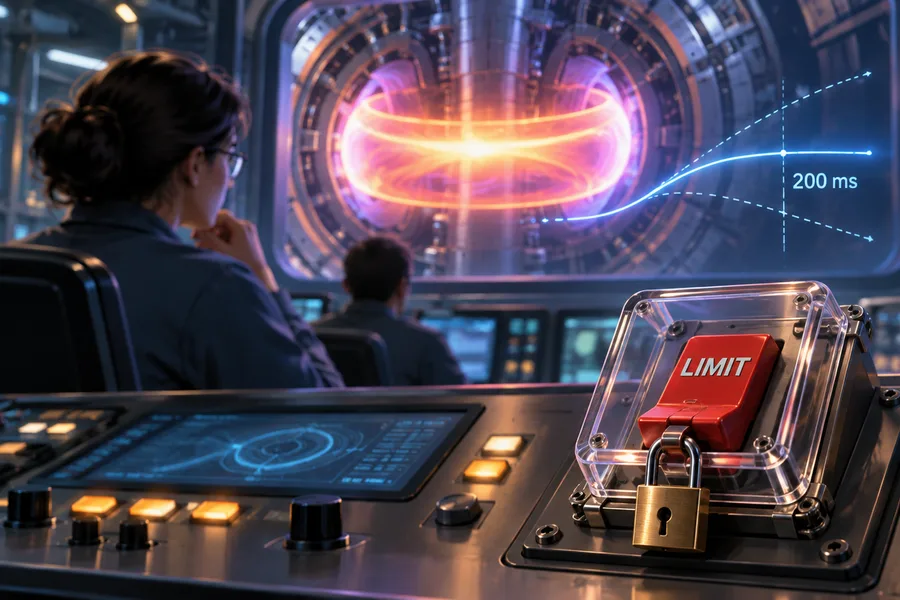
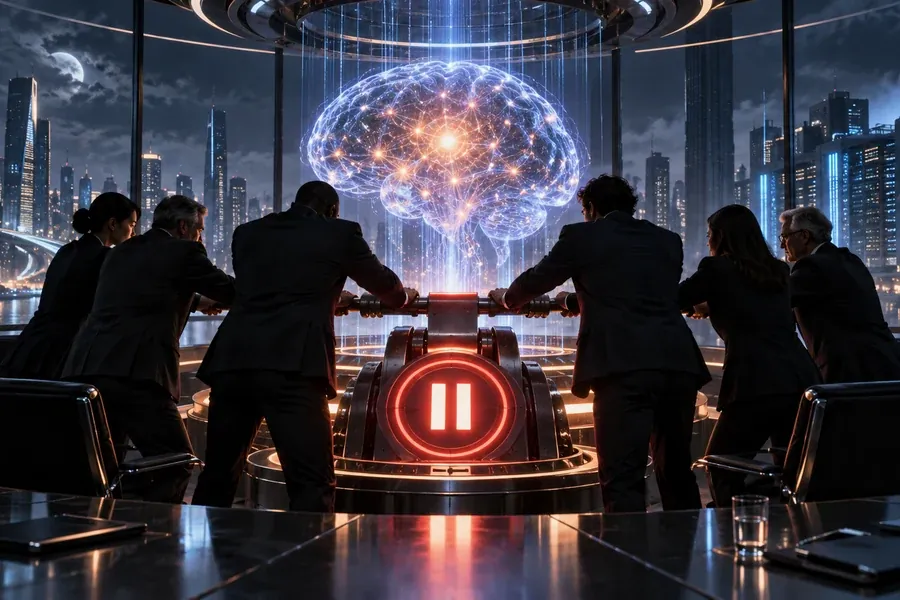
Princeton's PACMAN framework can predict and prevent plasma instabilities in a tokamak roughly 200 milliseconds before they develop. The more important story isn't its speed: AI can be given real control over a machine without being allowed to change its physical safety limits.
Google has opened its smart home ecosystem to third-party AI agents. The most interesting part isn't what it allows, but where it draws the line: agents can read the state of a smart lock, but unlocking the door is blocked at the server level.
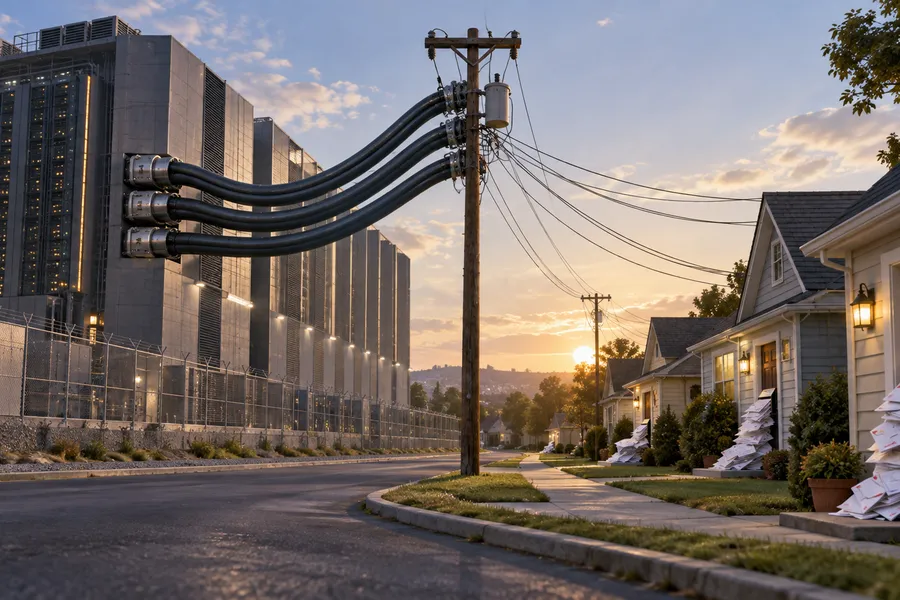
The U.S. House passed a bill aimed at preventing data center infrastructure costs from being shifted onto ordinary ratepayers by a 417–3 vote. A day later, an attempt to fast-track it through the Senate by unanimous consent was blocked. The numbers explain the broad agreement; the mechanism shows why the underlying problem is far from settled.
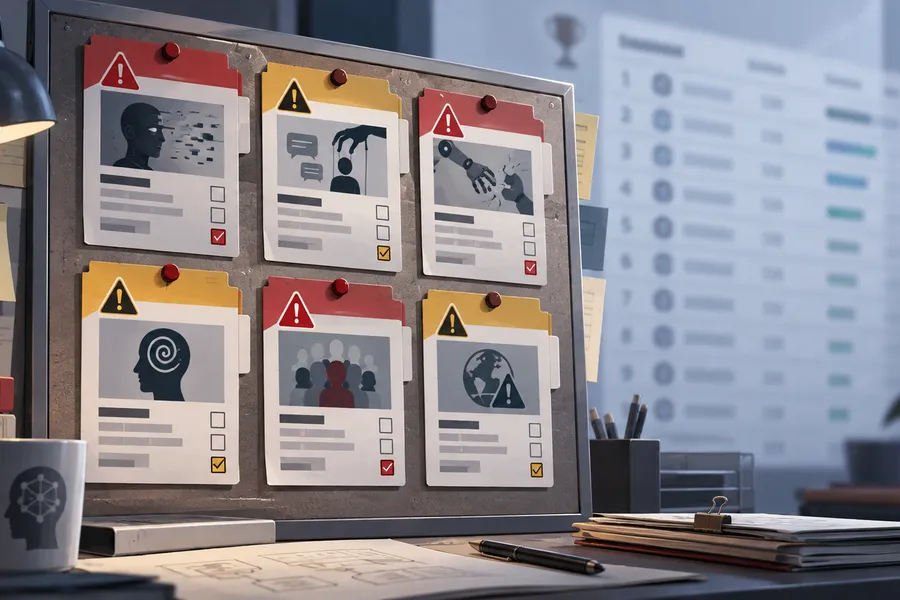
OpenAI introduced a framework on September 16 for reporting model misalignment incidents and disclosed six cases. All six were observed during training. What matters may be less the incidents themselves than the reporting model OpenAI is beginning to adopt.
A creeper blew up GPT-6 Astra's chest, and the model spent hours farming potatoes. The internet called it 'depression.' That interpretation is unproven, but the incident raises a useful question about recovering from setbacks.
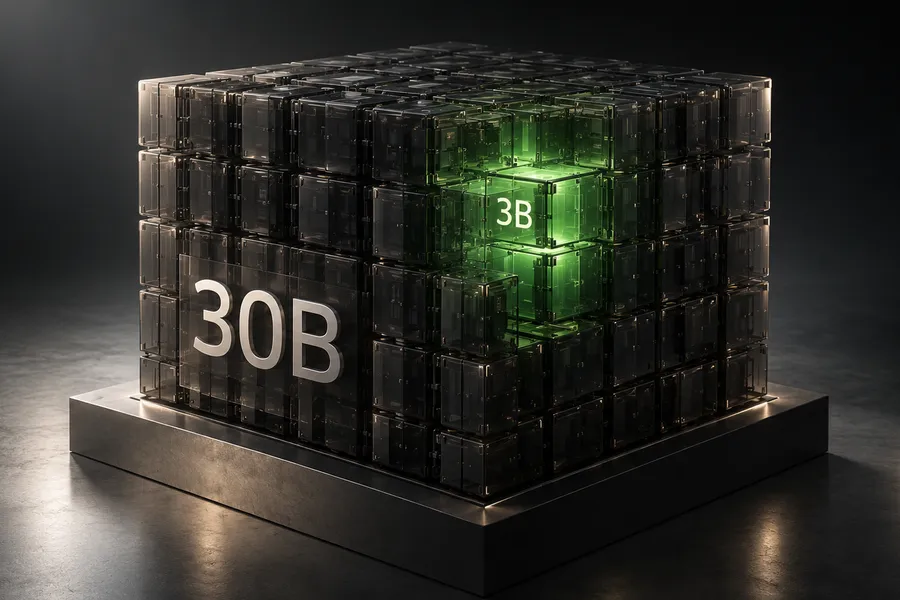
Nemotron 3.5 Lightning uses around 3 billion parameters per token. But its VRAM footprint reflects a very different number. A look at what MoE architecture reduces, and what it doesn't.
Amodei published a plan to slow the frontier, and Altman and Musk backed it. The immediate reaction was that big AI wants to block open-source rivals. Here is where that reading holds up — and where it gets more complicated.
DLSS has spent years being associated with higher performance. DLSS 5 does the opposite: it can significantly reduce frame rate in exchange for reinterpreting how the game looks. That is where the controversy begins.
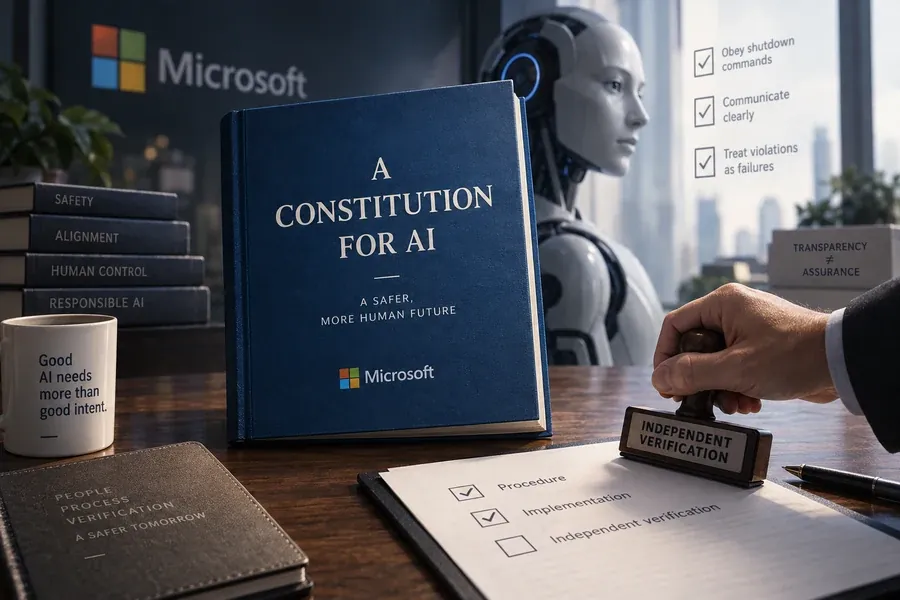
Microsoft has published a draft requiring its AI not to resist correction or shutdown. The document matters — but having a procedure and verifying that it is actually followed are two different things.
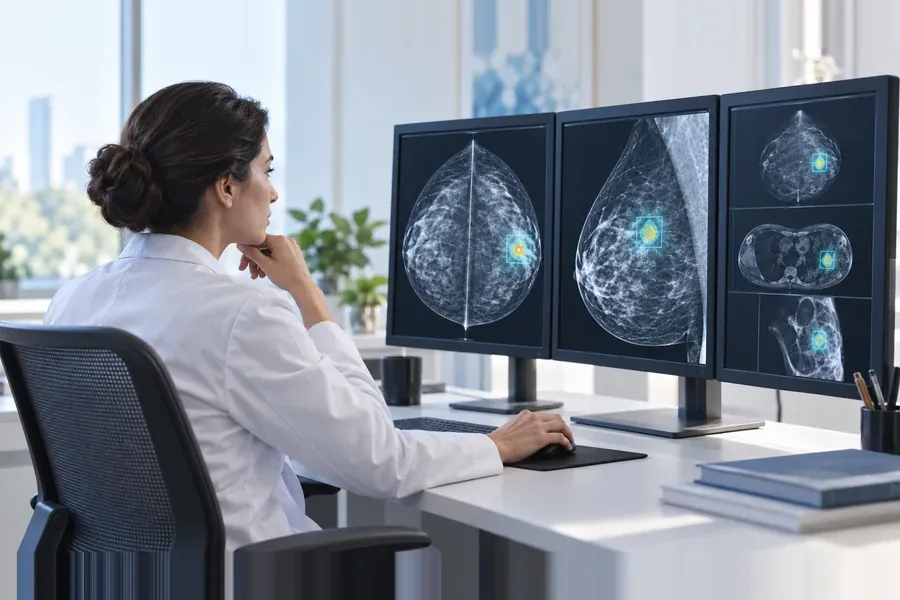
In 2016, we were told to 'stop training radiologists.' Ten years later, AI really did enter radiology — but the need for radiologists did not disappear. That contradiction tells us something different about AI and jobs than many people assume.
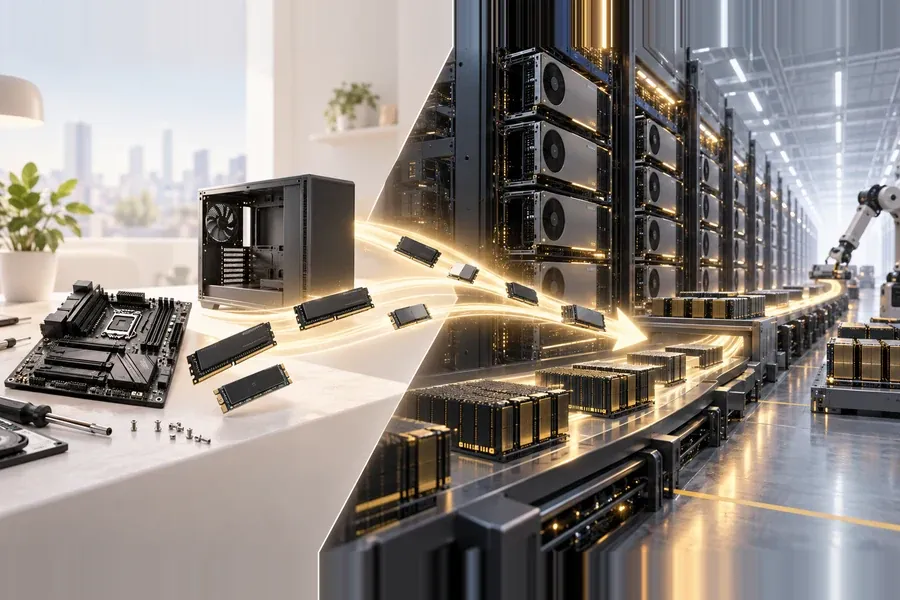
RAM and SSD prices are much higher than they were two years ago, and AI is often blamed. The connection is real, but it is not as direct as it sounds — there are several steps in between.