
Is everyone running from GTA 6? Why is September so crowded and November so quiet?
The industry narrative is simple: publishers fled GTA 6 and piled into September. A game-by-game look shows the pattern is real, but the evidence behind it is far more fragmented than the story suggests.
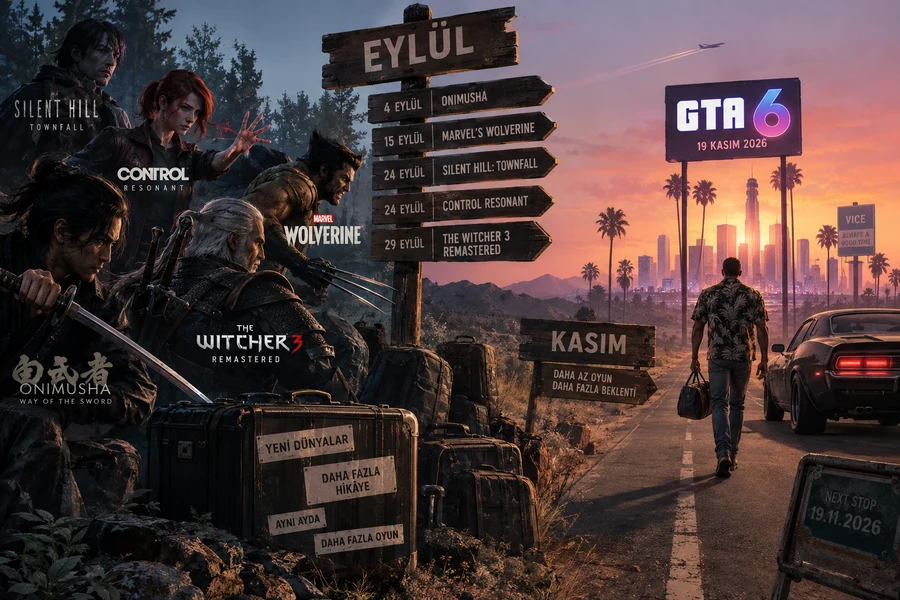
GTA 6 launches on November 19. And this year's release calendar has taken on a strange shape: September and October are packed with major games, while the number of big new multiplatform releases drops noticeably in November.
The industry has settled on one explanation: everyone is running from GTA 6.
The clustering is real. That part is not especially controversial. But once you check the reasons game by game, the picture becomes less tidy. The evidence falls into three different categories — and the third is the most interesting.
First, the pattern: what ended up in September?
| Date | Game |
|---|---|
| September 4 | Onimusha: Way of the Sword |
| September 15 | Marvel's Wolverine |
| September 24 | Silent Hill: Townfall |
| September 24 | CONTROL Resonant |
| September 29 | The Witcher 3 Remastered |
Silent Hill: Townfall and CONTROL Resonant launch on the same day, September 24. Five days later, The Witcher 3 Remastered arrives.
October is hardly quiet either. November is not literally "empty" — there are releases such as the Switch 2 version of Zelda: Ocarina of Time, while December includes games like Path of Exile 2 and Dawn of War IV. But in terms of major new multiplatform AAA releases, November is noticeably sparse.
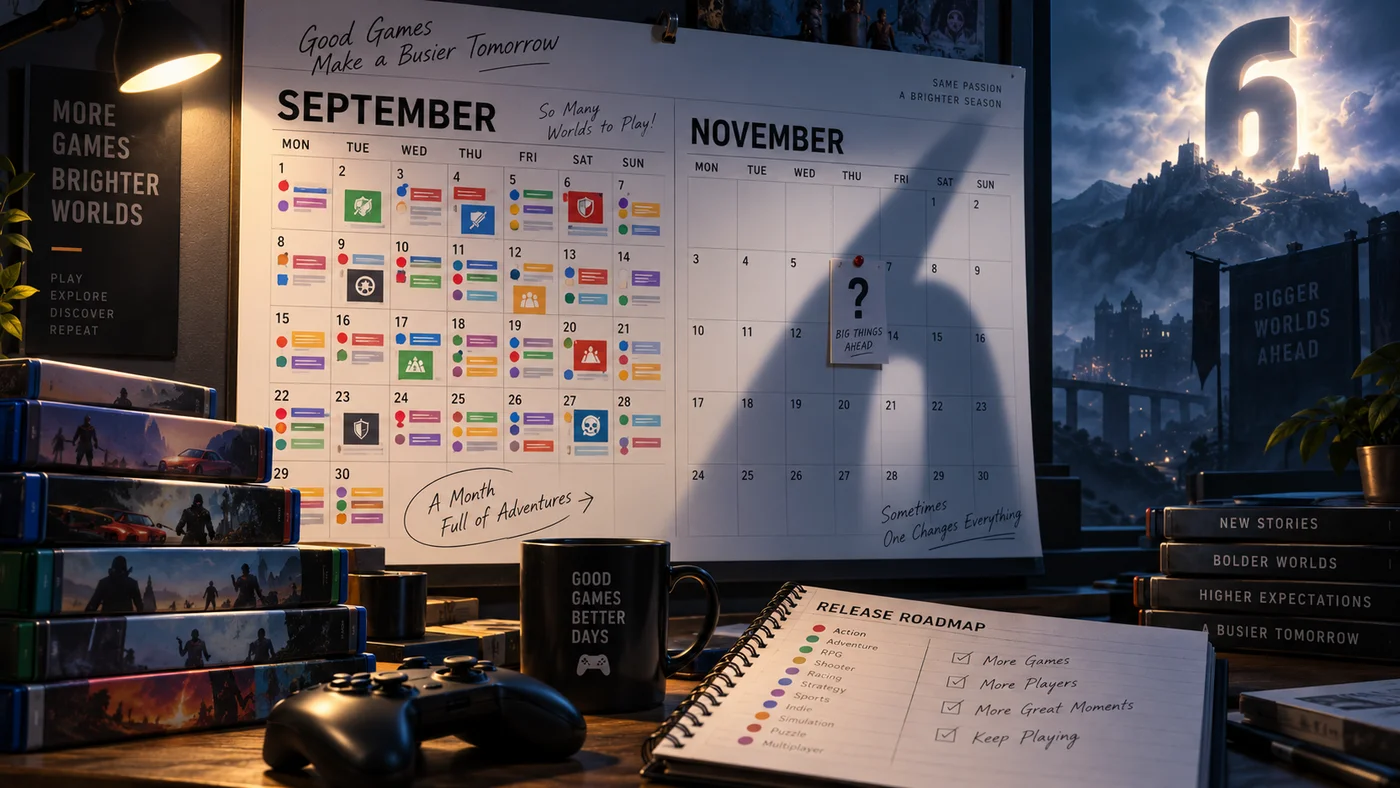
That part is measurable. The argument starts after that.
Category one: the delays are documented, but the GTA link varies
Several games moved out of the fall window. But their explanations do not carry the same weight.
Lords of the Fallen II is the clearest example. The game moved from fall 2026 to the first quarter of 2027, and the company said the new date would position it outside a "highly competitive holiday period." GTA 6 is not named, so the connection remains a strong inference rather than a stated reason.
Fable moved from fall 2026 to February 23, 2027. Xbox said it wanted to give the game a window of its own and a moment in which it could shine. Competition is implied, but not directly stated.
Tomb Raider: Legacy of Atlantis moved to February 12, 2027. The official announcement gives no reason involving GTA, a crowded calendar, or competition. The GTA connection is entirely a media interpretation.
So three delays that may look similar at first glance actually sit at three different levels of evidence.
Category two: the assumed ones
For most of the games clustered in September, we have no explanation at all.
Marvel's Wolverine, Silent Hill: Townfall, and CONTROL Resonant are often cited as examples of games avoiding GTA 6, but their publishers have not said that. Some of those dates may have been decided independently of Rockstar's plans.
The clustering is real, but the reason behind every individual release is not. The industry narrative fills that gap with a single explanation.
That is why Devolver Digital's pushback matters. The company has explicitly said that not every publisher is running from GTA 6, and it still intends to release a game on the same day. It is not alone: Furyu scheduled Crymelight for November 5 and joked that perhaps it simply was not scared enough.
So the literal claim that "everyone ran away" is already false.
Category three: running from the games that ran away
This is the most interesting part — and the one directly documented case of a second-order calendar effect.
Valor Mortis moved from September 24 to October 13. According to studio head Blake Rochkind, September 24 looked very open when they first chose it. Then the date filled up quickly. As soon as CONTROL Resonant announced the same day, they knew Valor Mortis would have to move.
That distinction matters. Valor Mortis did not say it moved because of GTA 6. What we can document is this: September became crowded, CONTROL Resonant landed on the same day, and Valor Mortis moved to October as a result.
If some of September's congestion really was caused by publishers trying to stay away from GTA 6, then Valor Mortis shows the second-order effect. The escape route itself becomes a bottleneck.
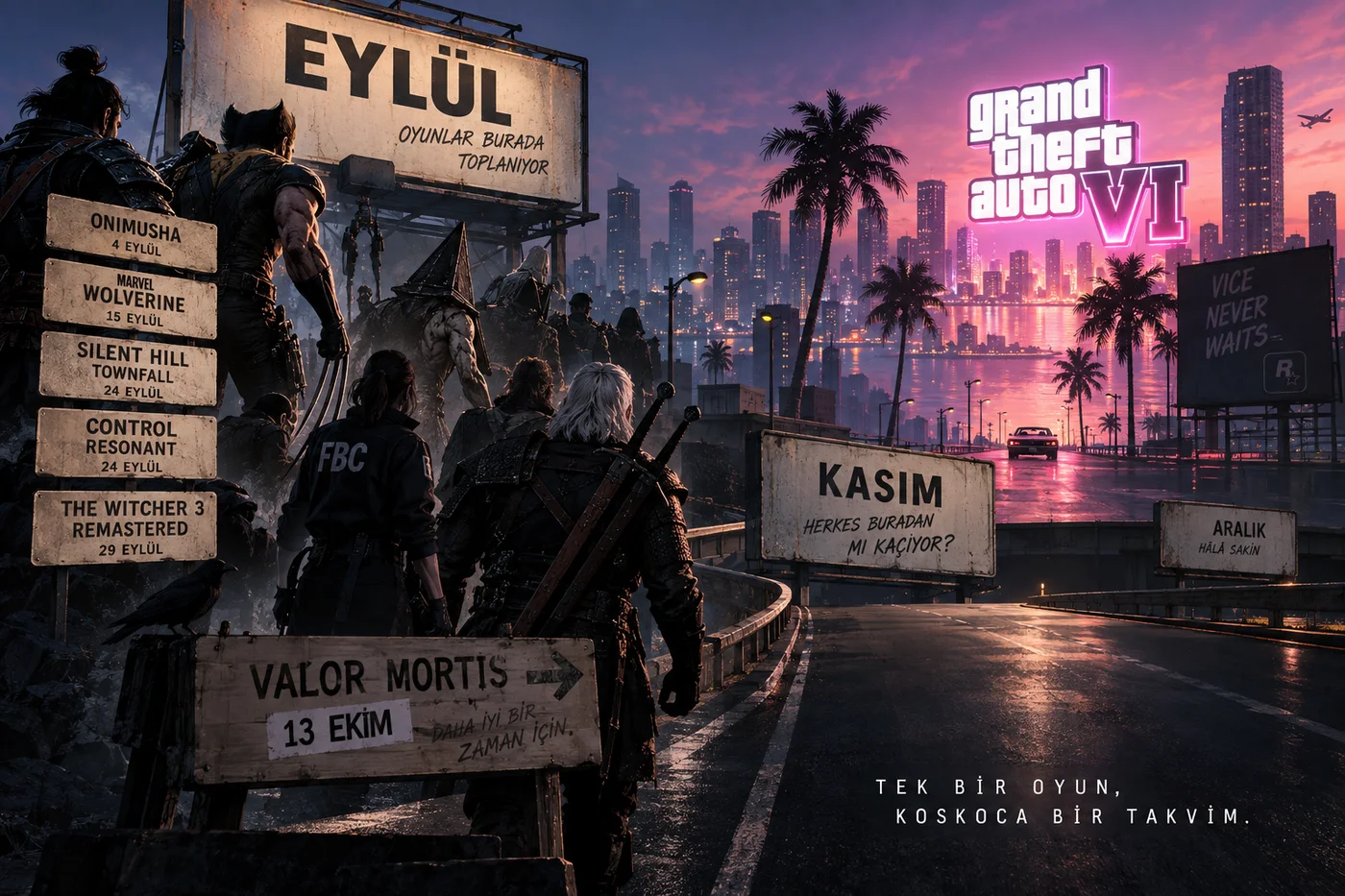
Onimusha shows a similar pattern, although with weaker evidence. Capcom originally announced September 25 and later moved the game forward to September 4. The company did not say it was avoiding competitors; it said it wanted to get the game into players' hands earlier. But the original date sat immediately next to CONTROL Resonant and Silent Hill: Townfall.
Does this strategy actually work?
The logic is easy to understand: major games are not only competing for money. They are also competing for players' time and attention. When GTA 6 launches, it is expected to consume all three. So publishers try to stay out of its way.
That logic makes sense on its own. But the second wave shows the downside: the escape route can become crowded too. If three major games launch in the same week, they end up competing with one another instead of GTA 6.
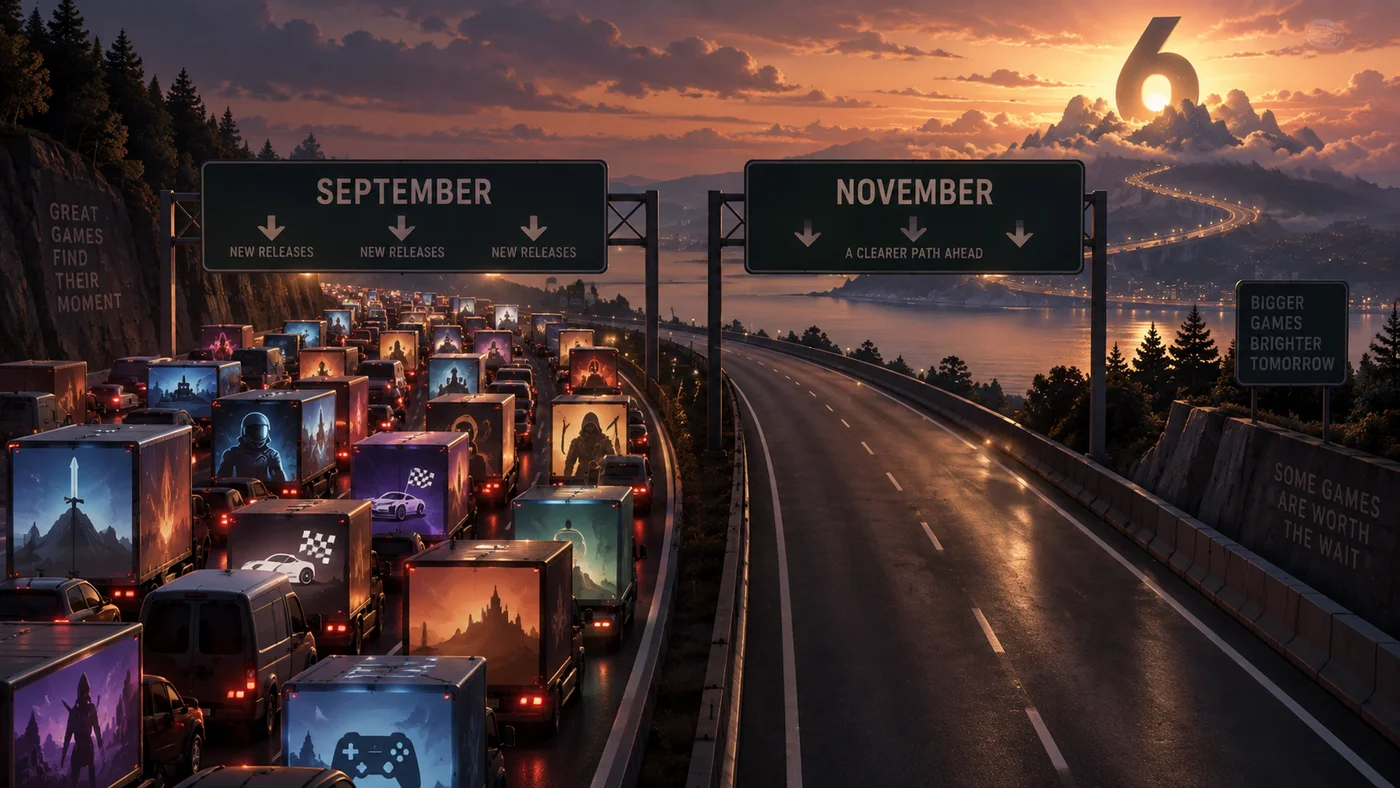
Games journalist Jason Schreier summed up the absurdity with a joke: he would rather launch near GTA 6 in November than try to find room in September.
Looking at it from Turkey
Here, there is an extra pressure: purchasing power. Steam has used MENA-USD pricing in Turkey since 2023, which makes exchange-rate moves directly visible in the budgets of PC players.
So September's congestion is not only a question of "which one should I play first?" It also becomes "which one should I buy?"
There is another risk
If Rockstar changes GTA 6's date again, some of the space the industry has left around it may end up serving no purpose.
GTA 6 has already moved twice: first from 2025 to May 2026, then from May to November 2026. Another delay would not leave the entire fall empty — October is strong, and November and December still have releases. But a significant part of the space left in November for major new multiplatform games would go unused.
The fact that a meaningful part of the industry is shaping its calendar around a single game that has not yet shipped is notable in itself.
Conclusion
So, back to the original question: is everyone running from GTA 6?
Partly. The clustering is real and measurable. But game by game, the evidence is fragmented:
- Lords of the Fallen II and Fable: acknowledge competitive timing, but do not name GTA
- Tomb Raider and Onimusha: the GTA connection remains interpretive
- Valor Mortis: the clearest documented case of a second-order calendar effect
- Devolver and Furyu: openly say they are not running away
So the phrase "everyone is running from GTA 6" is not entirely wrong, but it mixes industry folklore with documented evidence.
A more accurate conclusion is this: when one release date becomes large enough, it can shape not only its own launch week but the two months before it — and that reshaping can create second-order effects of its own.