
The Witcher 3 isn't finished: how CD Projekt is growing an 11-year-old game again
The Remastered edition launches free on September 29, and the older expansions are now free too. Taken together, these moves look less like goodwill gestures and more like a product lifecycle strategy.
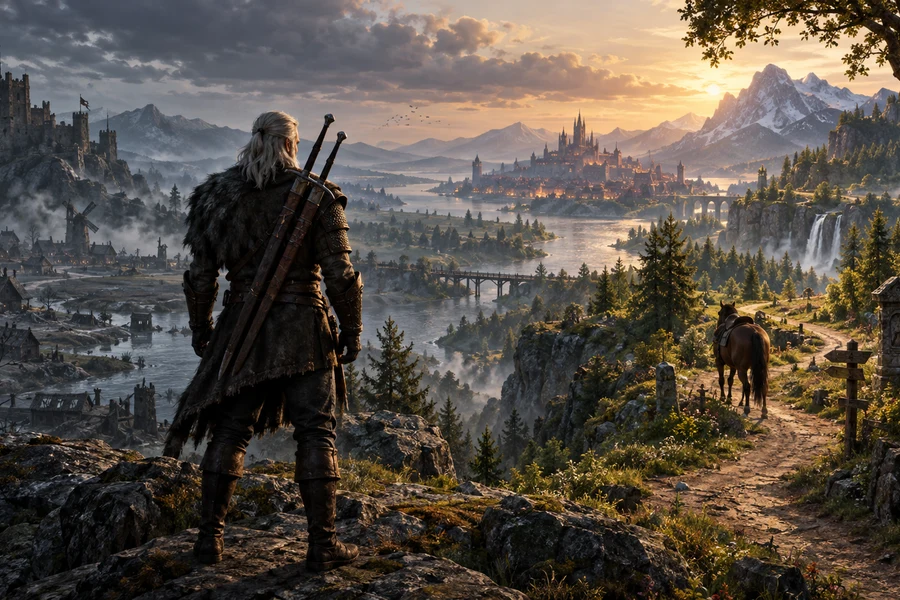
The Witcher 3 launched in 2015. This month, on September 29, its Remastered edition arrives — free for existing owners.
Something else happened first. On August 25, the day the Remastered version was announced, Hearts of Stone and Blood and Wine were made free for everyone who already owned the base game.
So two expansions that once had to be purchased separately are now included for every existing owner.
At first glance, this looks like a story about generosity. But when you place the moves next to one another, a different pattern appears: a plan to grow an old game again instead of simply retiring it.
I am not claiming to know the company's intent. But we can look at the shape created by the decisions it has made.
What actually happened from 2015 to today
The timeline becomes clearer when you lay it out:
| Date | What happened | Price |
|---|---|---|
| May 2015 | Base game launched | Paid |
| October 2015 | Hearts of Stone | Paid |
| May 2016 | Blood and Wine | Paid |
| December 2022 | Next-gen update for PS5 and Xbox Series | Free |
| August 2026 | Both expansions opened to all base-game owners | Free |
| September 2026 | Remastered | Free |
| 2027 | Songs of the Past expansion | Paid |
There was a long quiet period between 2016 and 2022. So this is not a strategy that has been executed continuously for eleven years. It is an approach that has taken shape over the past four.
And there is a logic to the sequence: first the technical foundation is refreshed and existing content is opened up, then new paid content arrives.
What is free, and what is paid?
That is where the model starts to become visible.
Free: making the existing game run better, look better, and reach more people. The next-gen update, the remaster, and opening up the older expansions all fit here.
Paid: new content. Songs of the Past arrives in 2027 and will be sold separately.
The distinction is simple, but it matters: you are not being asked to pay for the upgrade. You are being asked to pay for the new story.
Charging again for an upgraded version of an existing game is hardly unusual in the remaster market. CD Projekt appears to be taking a different route here.
Why Remastered is more than a cosmetic update
This is not just a resolution bump. CD Projekt's announcement describes changes across visuals, lighting, ray tracing, performance, combat, movement, the skill tree, and many other areas. Hungarian studio Yigsoft is working as a co-developer.
More importantly, Remastered and Songs of the Past are not technically independent from one another. The development team says some of the goals for the new Letten region — including dense forests, horseback traversal, and optimization across wide open spaces — could not have been achieved without technical changes made for Remastered.
CD Projekt's own support documents also say the expansion is being built on the foundation established by the 2022 next-gen update.
So the free update is not merely giving the old game a facelift. It is also helping make the new paid content technically possible.
Expanding access
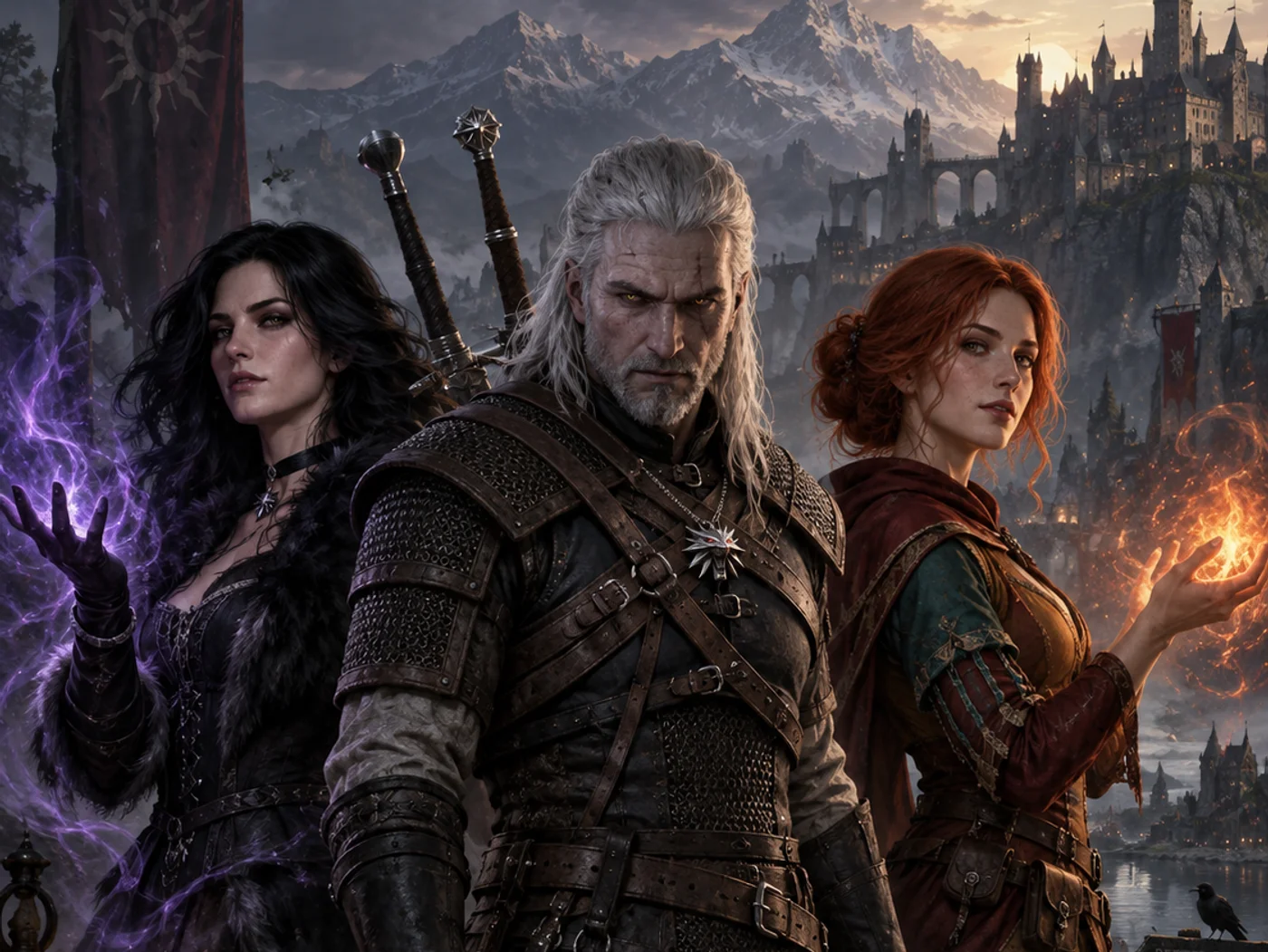
The third part of the strategy is platform reach. With Remastered, the game is moving to two new places: a native Nintendo Switch 2 version and, on PC, Battle.net for the first time.
The Switch 2 version is especially notable because owners of the original Switch release can upgrade for free. That means someone who played the game on a handheld in 2019 can be brought onto the updated version before the 2027 expansion arrives.
All of these moves point in the same direction: when the new expansion launches, CD Projekt wants a large group of players to already have the game installed, updated, and within easy reach.
The cost of keeping it alive
There is a cost, and it is worth acknowledging.
The PC minimum requirements rise with Remastered: Windows 11 becomes mandatory, an SSD is required, 12 GB of RAM is needed, and DirectX 12 is the only supported API. The original 2015 release ran on Windows 7 and could be installed on a hard drive.
So a "free upgrade" does not mean the same thing for everyone. A player who stayed on Windows 10 or still relies on an HDD may no longer be able to run the new version of a game they already own.
At a time when PC hardware has become significantly more expensive, that is not a trivial detail.
What this means from an industry perspective
One familiar way to make more money from an old game is to repackage it and sell it again. CD Projekt appears to be doing something different: give away the upgrade, then sell new content on top of it.
The logic may look something like this. An eleven-year-old game can have an enormous installed base, but a large share of those players stopped playing years ago. Selling them a remaster is difficult — they already played the game. But if you update the game for free and pull them back in, the thing you are selling is no longer the remaster.
It is the new story.
And players may be more willing to pay for that.
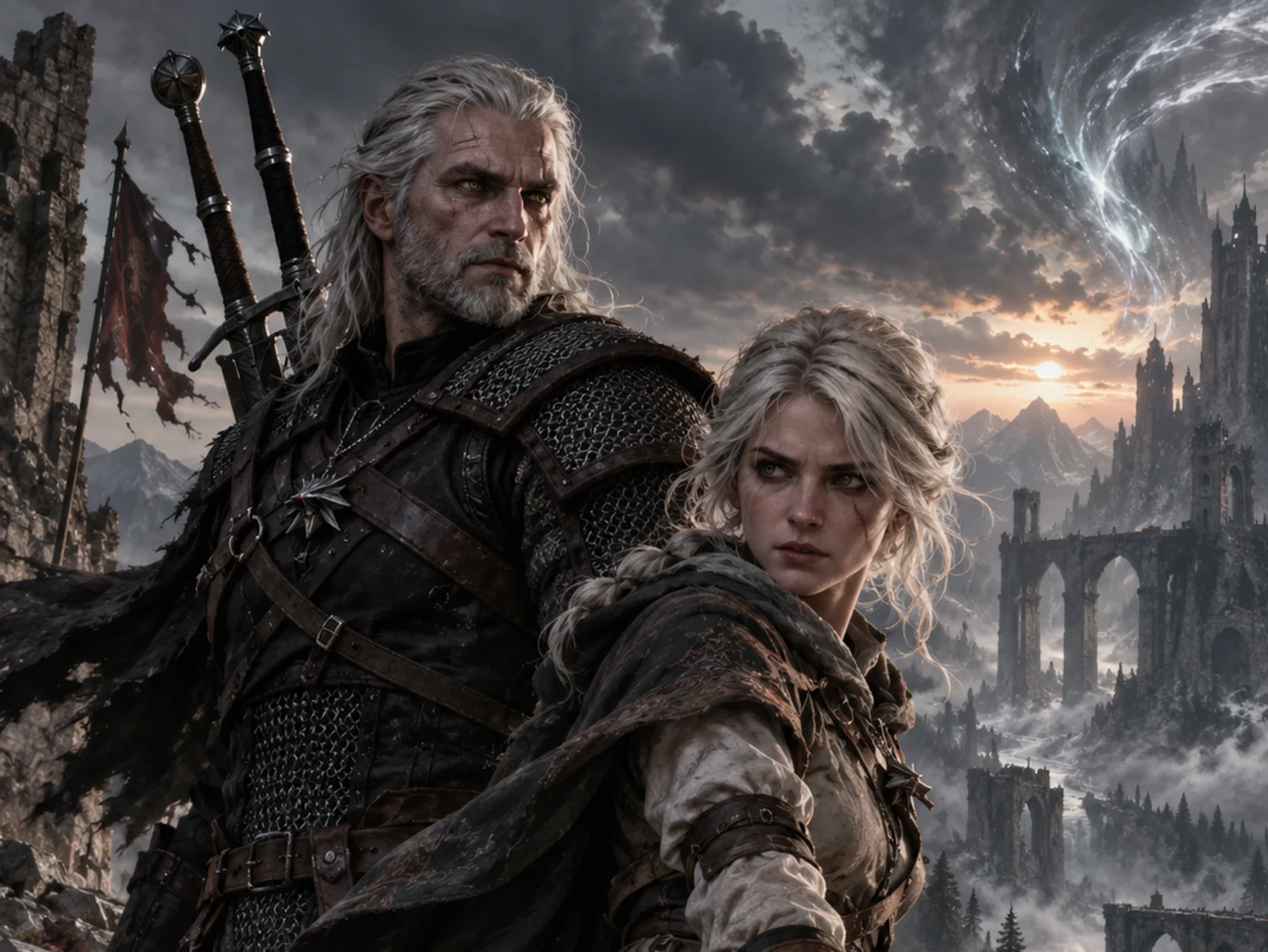
There is another dimension too. CD Projekt describes Songs of the Past as Geralt's "one last adventure" and the "final chapter" of The Witcher 3, while company leadership has framed it as the moment before "passing the baton to Ciri in The Witcher 4."
That makes the expansion a bridge to The Witcher 4 as well. Reviving the old game can also help prepare the audience for the next one.
The limits of the model
I do not want to frame this as an automatic success story, because the same model would not work everywhere.
It requires three things: a very large existing owner base, strong attachment to the game, and future revenue capable of justifying the cost of all this free work.
The Witcher 3 is one of the rare games that could plausibly meet those conditions. It has sold more than 65 million copies, the brand is still active, and it has both the paid Songs of the Past expansion and The Witcher 4 ahead of it.
The same calculation would be much harder for a game with a far smaller owner base and no new paid content on the horizon.
And even here, the strategy only works if the paid expansion actually sells. If Songs of the Past fails to attract the expected audience in 2027, what remains is a great deal of work that was given away for free.
So this is not a formula. It is a bet that makes sense under the specific conditions surrounding one particular game.
We will see the result in 2027.
TagsHardware